









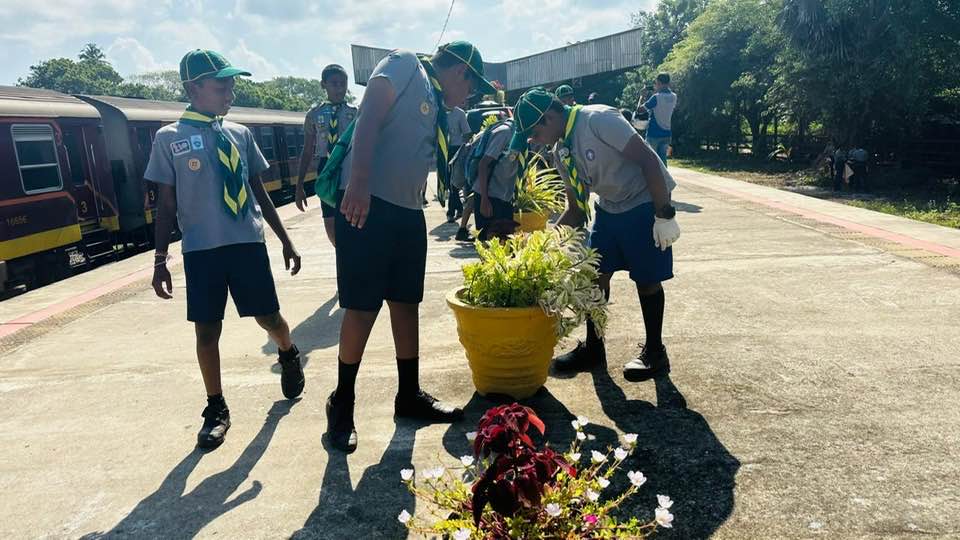
As we celebrate the 168th birthday of Robert Baden-Powell, the founder of the Scouting movement, a peculiar incident at a tobacco station has ignited discussions about the modern state of Scouting and its alignment with the principles set forth by its founder.
Recently, a group of college Scouts found themselves in an unexpected predicament at a local tobacco station. Reports suggest that they had stopped there during a field trip, and misunderstandings ensued regarding their presence in a location historically associated with smoking—a practice long discouraged within the Scouting community. This incident has sparked debate on how Scouts today navigate modern societal spaces while upholding the movement’s core values.
Baden-Powell, born on February 22, 1857, envisioned Scouting as a movement centered on character building, survival skills, and a commitment to health and morality. His ideals emphasized outdoor learning, self-reliance, and a firm stance against habits that could harm young people’s development, including smoking and excessive indulgence.
The controversy at the tobacco station has raised an important question: How do Scouts balance historical teachings with contemporary realities? Today, Scouts are often engaged in urban settings where exposure to various societal elements, including commercial establishments like tobacco stations, is inevitable. This incident serves as a reminder that Scouting principles must be adaptable while staying true to their ethical foundations.
While no wrongdoing was ultimately attributed to the college Scouts, their experience highlights the ongoing need for awareness and critical thinking in the application of Scouting principles in today’s world. It also serves as an opportunity to revisit Baden-Powell’s teachings, ensuring that Scouting remains relevant and meaningful for future generations.
As we honor Baden-Powell’s 168th birthday, let us reflect on how his legacy can continue to inspire young minds in an ever-changing society. The Scouting movement remains a beacon of resilience and adaptability, guiding youth to make ethical choices regardless of the challenges they encounter.